Quiet server operations are good server operations
Designing backups, alerts, and maintenance windows that players rarely have to think about.
July 4, 2026 · 6 min read
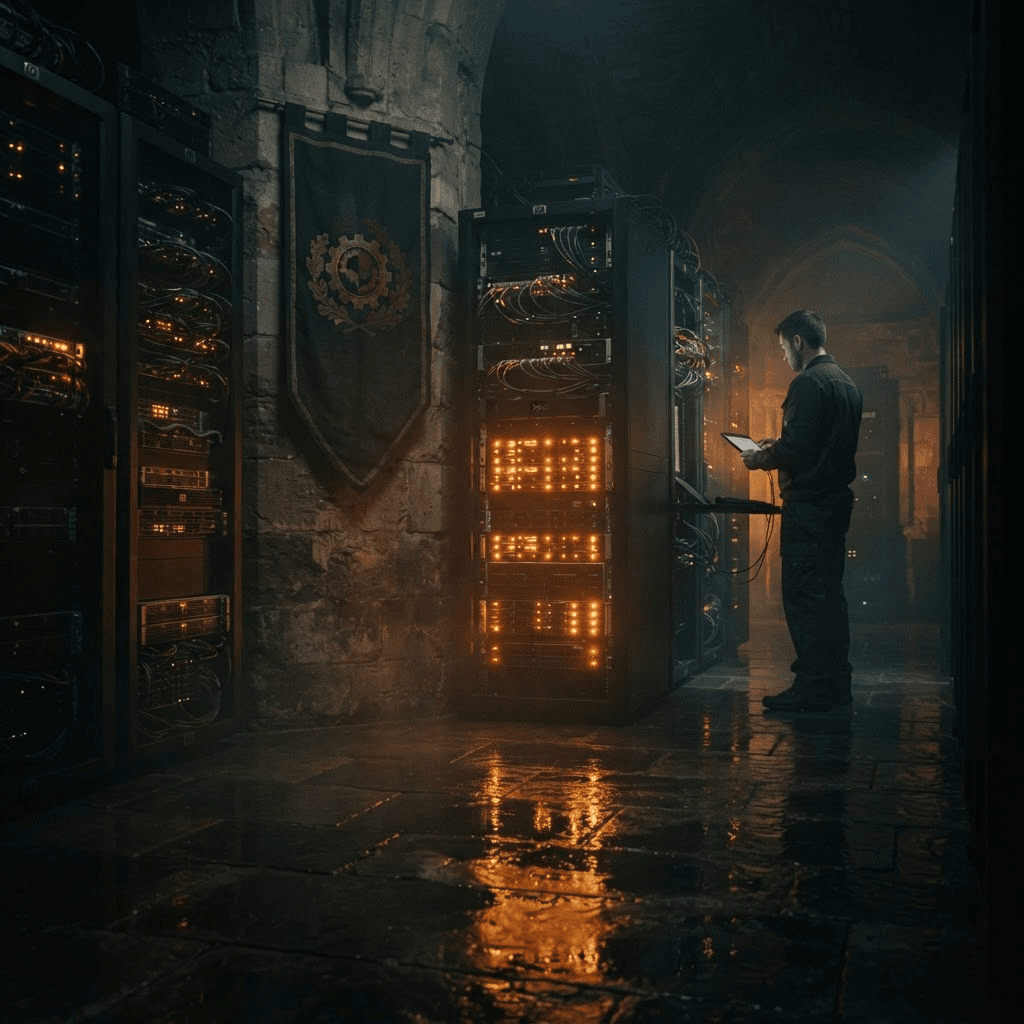
Running StoneHavenSMP involves a lot of work that never becomes a new feature, a screenshot, or an announcement people get excited about. Backups, configuration changes, permissions, troubleshooting, and maintenance all sit behind the experience players actually come here for.
But that work matters. When someone spends weeks building a base or helps bring a community project to life, they are trusting the server to preserve that effort. Every new build gives me another reason to take that responsibility seriously.
The standard I want to work toward is simple: players should be able to log in, pick up where they left off, and enjoy their time here. Keeping that experience dependable is an ongoing part of developing StoneHaven.
Reliability should feel boring
An uneventful maintenance window is a good outcome.
The server goes down when expected. The work has a clear purpose. Checks happen before players return. If something needs more attention, the community gets an update.
That might not make for an exciting development announcement, but it is the kind of experience I want maintenance to deliver.
For me, that starts with making the work repeatable. A maintenance checklist should explain what is changing, what needs to be preserved, how to check the result, and what to do if the change does not work out.
Written procedures also give staff a shared reference. Someone helping with an issue should be able to understand the next step without having to reconstruct my thought process from an old Discord conversation.
Preserving the world means preserving its context
The terrain and builds are the most visible parts of StoneHaven, but there is more to preserving the server than keeping a copy of the world.
Player data, configurations, permissions, and the information used by server mods all contribute to how that world functions. Community rules and moderation records provide context that files full of blocks cannot capture.
A restored world would still feel broken if players lost access to their belongings, protections behaved differently, or staff could no longer understand the history of an unresolved issue.
That is the perspective I want to bring to backup planning: what would we need to bring StoneHaven back as a functioning community?
It also means distinguishing between information that must be preserved and information that can be recreated. That distinction makes recovery priorities clearer and helps keep the process manageable.
Recovery is part of the backup plan
The question I want a backup process to answer is, “Can we use this to recover?”
That means thinking beyond whether an archive exists. Is it complete? Is the matching configuration available? Do we know which version of the server it belongs to? Can we check it without putting the live world at risk?
A recovery procedure should also make the consequences understandable. Restoring an older copy could mean losing progress made after that copy was created. That matters to the people who spent that time building, gathering resources, or organizing something together.
My goal is to make those decisions with a clear understanding of what is recoverable and what players would be affected by. Practicing restores in a separate environment belongs in that goal, because an emergency is a difficult time to discover missing steps.
Alerts should help someone act
Monitoring is useful when it gives staff enough information to make a decision.
An alert that only says something went wrong leaves most of the investigation ahead of us. Useful context includes what failed, when it happened, what players might be experiencing, and where to start looking.
I also want to be deliberate about what deserves an interruption. A server becoming unavailable and a minor warning in a log do not need the same response.
The aim is a manageable set of signals that staff can take seriously. Monitoring should reduce the effort needed to understand a problem and help us notice issues before members have to report them.
Maintenance is part of the player experience
Even necessary downtime interrupts someone’s plans.
A player might have set aside an evening to finish a build. Friends might be meeting up across time zones. A brief interruption can matter more than it looks from the server console.
Clear communication is part of handling that responsibly. A maintenance notice should explain when the work starts, what will be unavailable, and how long it is expected to take. If the estimate changes, the notice should change with it.
Afterward, players deserve a useful explanation of the result. That can be brief: what changed, whether anything remains unresolved, and what they should report if something seems wrong.
I want that communication to be straightforward enough that members can plan around maintenance without needing to understand the technical work behind it.
Measuring what actually helps
Uptime is one useful measure, but I want to consider the experience around it too.
How long does a restart take? Are the same problems returning? How quickly do player reports receive attention? How confident are we in the recovery process?
Those questions help connect operational work to the community it serves. They can show where a small improvement would save staff time or prevent a recurring frustration for players.
For StoneHaven, the right approach needs to remain practical for the people maintaining it. A process that is clear, documented, and sustainable gives us something we can keep improving.
The work ahead
This is the direction I want to keep developing StoneHaven’s operations toward: clearer maintenance procedures, better recovery preparation, useful alerts, and consistent communication.
It is ongoing work. As the server changes, the procedures around it need attention too. New mods, configuration changes, and community needs can all affect what we need to preserve and verify.
The reason for doing that work stays the same. People are putting their time and creativity into StoneHaven, and I want them to feel comfortable continuing to do so.
When players can spend an evening building, exploring, or catching up with friends without wondering whether the server will hold up, that is a result worth working for.
— SwornHero
Owner of StoneHavenSMP